Buy management-school.eu ?
We are moving the project
management-school.eu .
Are you interested in purchasing the domain
management-school.eu ?
domain@kv-gmbh.de · 0541-91531010
Buy management-school.eu ?
How can I escape compulsory education and not have to go to school after reaching the age of 18?
In most countries, compulsory education laws require individuals to attend school until a certain age, typically 16-18 years old. If you wish to escape compulsory education after reaching the age of 18, you may need to explore alternative education options such as homeschooling, online education, or vocational training programs. It is important to research the laws and regulations in your specific region to understand your options for continuing education outside of traditional school settings. Additionally, seeking guidance from educational counselors or advisors can help you navigate the process of transitioning out of compulsory education. **
What does school-to-career development mean?
School-to-career development refers to the process of preparing students for the transition from the classroom to the workforce. It involves providing students with the necessary skills, knowledge, and experiences to succeed in their chosen career paths. This can include career exploration, internships, job shadowing, and other hands-on learning opportunities that help students make informed decisions about their future careers. The goal of school-to-career development is to ensure that students are well-equipped to enter the workforce and thrive in their chosen professions. **

Similar search terms for How-Not-to-Age
Top-Angebote
Products related to How-Not-to-Age:
-
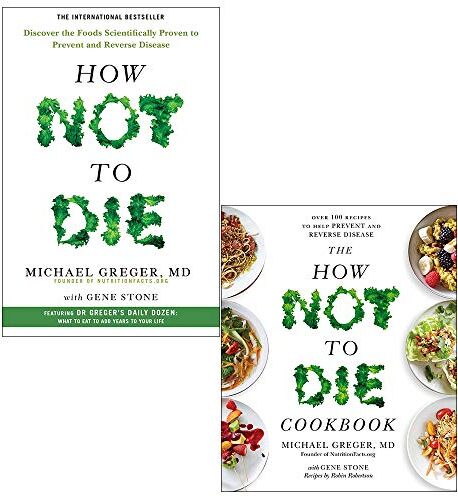
Pan Macmillan How Not To Die 2 Books Collection Set by Dr Michael Greger and Gene Stone (How Not To Die, How Not To Die Cookbook)How Not To Die Why rely on drugs and surgery to cure you of life-threatening disease when the right decisions can prevent you from falling ill to begin with? How Not To Die gives effective, scientifically-proven nutritional advice to prevent our biggest killers - including heart disease, breast cancer, prostate cancer, high blood pressure and diabetes - and reveals the astounding health benefits that simple dietary choices can provide. How Not To Die Cookbook Dr Michael Greger, founder of the wildly popular website NutritionFacts, takes his comprehensive, lifesaving science into the kitchen. Why suffer from disease and ill health when the right food is proven to keep you healthy, and without the side effects of drugs? We can avoid heart disease, cancer and our other biggest killers if we use food as medicine, and the How Not To Die Cookbook offers a sustainable and delicious guide to preparing and eating the foods that will prevent and reverse fatal diseases.15,45 £*Shipping: 2,99 £Secure redirect to the provider
-
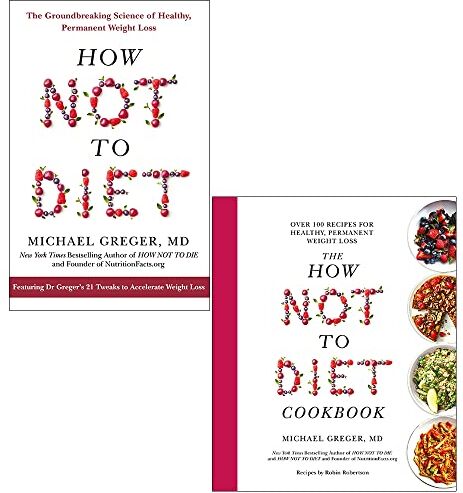
Bluebird Ltd Michael Greger Collection 2 Books Set (How Not to Diet, The How Not to Diet Cookbook)Michael Greger Collection 2 Books Set (How Not to Diet, The How Not to Diet Cookbook): The How Not to Diet Cookbook: Greger offers readers delicious yet healthy options that allow them to ditch the idea of 'dieting' altogether. As outlined in his book How Not to Diet, Greger believes that identifying the twenty-one weight-loss accelerators in our bodies and incorporating new, cutting-edge medical discoveries are integral in putting an end to the all-consuming activity of counting calories and getting involved in expensive juice cleanses and paid diet programmes.The How Not to Diet Cookbook is a revolutionary addition to the cookbook industry: incredibly effective and designed for everyone looking to make changes to their dietary habits to improve their quality of life. How Not to Diet: How Not to Diet is a treasure trove of buried data and cutting-edge dietary research that Dr Michael Greger has translated into accessible, actionable advice with exciting tools and tricks that will help you to eliminate unwanted body fat – for good.Dr Greger, renowned nutrition expert and founder of NutritionFacts.org, explores the many causes of obesity – from our genes to the portions on our plate to other environmental factors – and the many consequences, from diabetes to cancer to mental health issues. From there, Dr Greger breaks down a variety of approaches to weight loss, honing in on the optimal criteria that enable success, including: a diet high in fibre and water, a diet low in fat, salt, and sugar, and diet full of anti-inflammatory foods.13,99 £*Shipping: 2,99 £Secure redirect to the provider
-
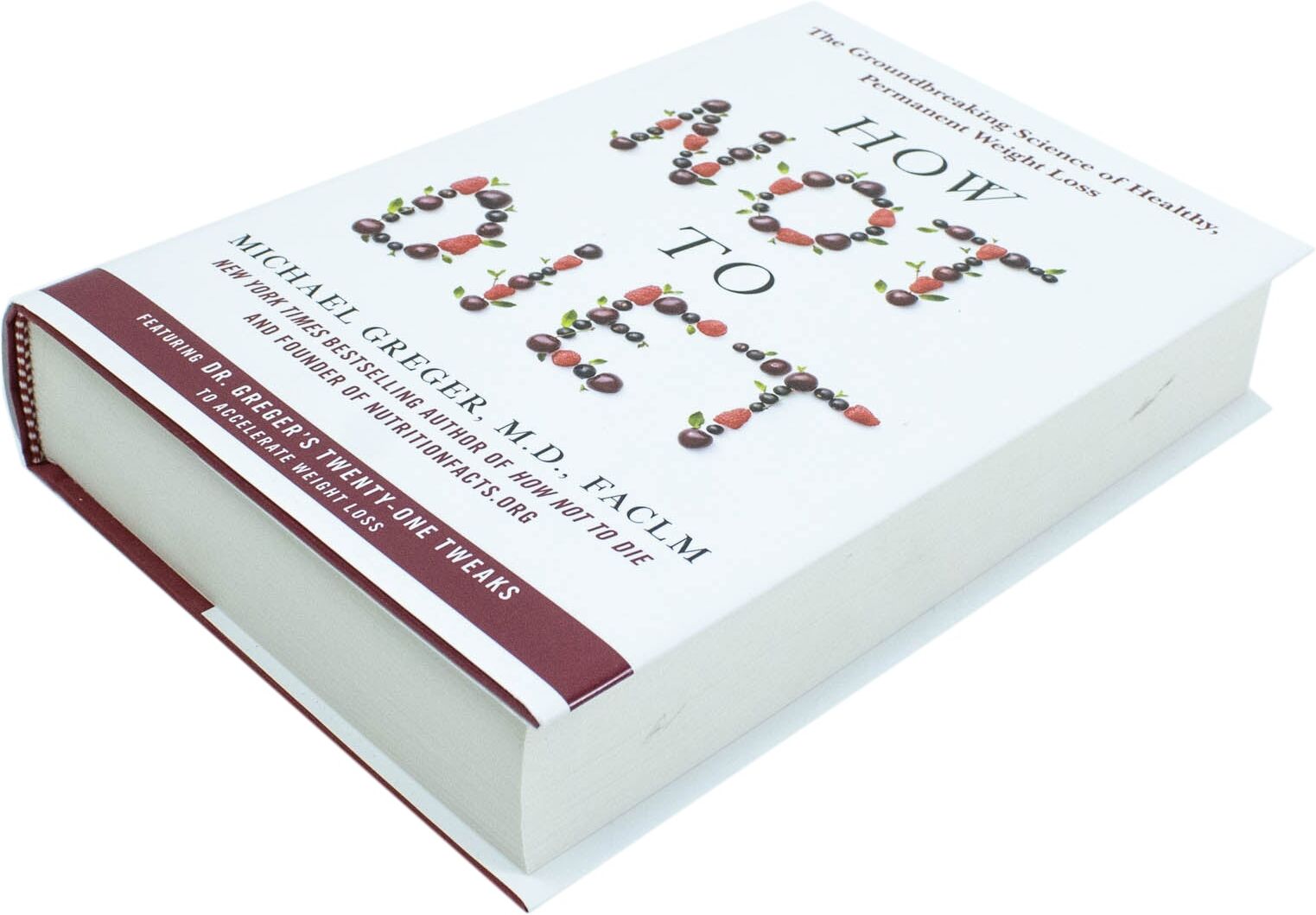
Bluebird How Not to Diet Book, By Michael Greger (Weight Loss Book)How Not to Diet Book, By Michael Greger (Weight Loss Book) Put an end to dieting and replace weight loss struggles with this easy approach to a healthy, plant-based lifestyle, from the bestselling author of How Not to Die. Every month seems to bring a trendy new diet or weight-loss fad – but they aren't making us happier or healthier as obesity rates continue to rise alongside a number of diseases and health problems. It’s time for a different approach. How Not to Diet is a treasure trove of buried data and cutting-edge dietary research that Dr Michael Greger has translated into accessible, actionable advice with exciting tools and tricks that will help you to eliminate unwanted body fat – for good. Dr Greger, renowned nutrition expert and founder of NutritionFacts.org, explores the many causes of obesity – from our genes to the portions on our plate to other environmental factors – and the many consequences, from diabetes to cancer to mental health issues. From there, Dr Greger breaks down a variety of approaches to weight loss, honing in on the optimal criteria that enable success, including: a diet high in fibre and water, a diet low in fat, salt, and sugar, and diet full of anti-inflammatory foods. How Not to Diet goes beyond food to identify twenty-one weight loss accelerators available to us in our body’s systems, incorporating the latest discoveries in cutting-edge areas like chronobiology to reveal the factors that maximize our natural fat-burning capabilities. This is the ultimate weight-loss guide, taking a timeless, proactive approach that can stand up to any new trend.4,06 £*Shipping: 1,99 £Secure redirect to the provider
-
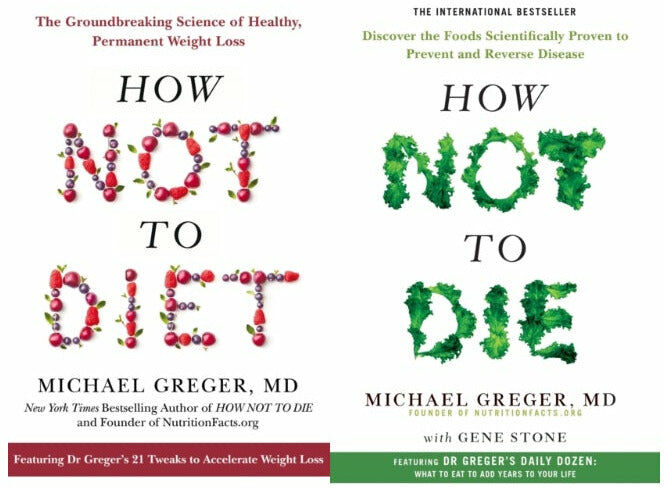
Pan Macmillan How Not To Die 2 Books Collection Set by Dr Michael Greger and Gene Stone ( How Not To Diet: The Groundbreaking Science of Healthy, Permanent Weight LHow Not To Die 2 Books Collection Set Dr Michael Greger and Gene Stone Title In This Set: How Not To Diet: The Groundbreaking Science of Healthy, Permanent Weight Loss, How Not To Die14,99 £*Shipping: 2,99 £Secure redirect to the provider
-
How can I escape compulsory education after reaching the age of 18 and not have to go to school anymore?
In most countries, compulsory education laws typically require individuals to attend school until a certain age, usually around 16-18 years old. However, there are alternative options available for those looking to escape compulsory education after turning 18. One option is to pursue a General Educational Development (GED) certificate or equivalent, which is a high school equivalency credential that can demonstrate academic proficiency. Another option is to enroll in vocational training programs, apprenticeships, or adult education courses that provide practical skills and training without the traditional school setting. It's important to research the specific laws and regulations in your region to understand the alternatives available to you. **
-
Up to what age is further education or training meaningful?
Further education or training can be meaningful at any age, as learning is a lifelong process. However, the traditional idea of pursuing higher education or specialized training is often associated with younger individuals, typically up to their mid-30s. This is because younger individuals may have more time to benefit from the knowledge and skills gained through further education, and can apply them in their careers for a longer period. Nonetheless, individuals of any age can still find value in continuing their education or training to enhance their personal growth, career opportunities, or pursue new interests. **
-
What is the difference between school education and professional career development?
School education focuses on providing students with a broad range of knowledge and skills across various subjects, while professional career development is more specialized and focused on preparing individuals for specific careers or industries. School education typically covers a wide range of subjects, including math, science, language arts, and social studies, while professional career development often involves specialized training, certifications, and hands-on experience in a particular field. Additionally, school education is often more theoretical and academic, while professional career development is more practical and geared towards preparing individuals for the workforce. **
-
Does strength training at age 15 stunt growth?
Strength training at age 15, when done properly with appropriate supervision and guidance, does not stunt growth. In fact, strength training can have numerous benefits for teenagers, such as improving bone density, muscle strength, and overall physical fitness. It is important to use proper technique, start with light weights, and gradually increase intensity to prevent injury and ensure healthy growth and development. Consulting with a fitness professional or coach can help create a safe and effective strength training program for teenagers. **

How does growth occur with age?
Growth occurs with age through a process called development, which involves physical, cognitive, emotional, and social changes. During childhood and adolescence, growth is primarily physical, with individuals increasing in height and weight. As people mature into adulthood, growth continues in terms of cognitive abilities, emotional intelligence, and social skills. Throughout adulthood, growth can also occur through personal experiences, learning new skills, and adapting to life's challenges. **
How does growth progress with age?
Growth progresses with age in a predictable pattern, typically starting with rapid growth during infancy and early childhood. This growth gradually slows down during middle childhood and adolescence, with a significant growth spurt during puberty. By late adolescence, growth usually tapers off and individuals reach their adult height. Throughout adulthood, there may be some additional growth in terms of muscle mass or weight gain, but overall physical growth is minimal. **
Top-Angebote
Products related to How-Not-to-Age:
-
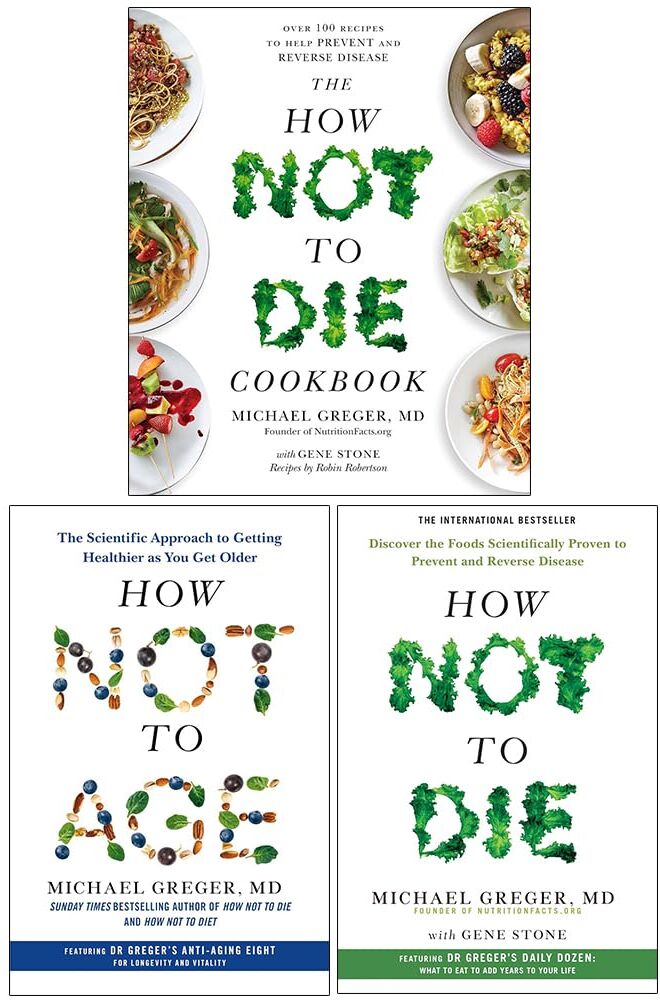
Bluebird/Pan ltd The How Not to Die Cookbook, How Not to Age and How Not to Die 3 Books Collection SetThe How Not to Die Cookbook, How Not to Age & How Not to Die 3 Books Collection Set: The How Not to Die Cookbook: Dr Michael Greger, founder of the wildly popular website NutritionFacts, takes his comprehensive, lifesaving science into the kitchen. Why suffer from disease and ill health when the right food is proven to keep you healthy, and without the side effects of drugs? We can avoid heart disease, cancer and our other biggest killers if we use food as medicine, and the How Not To Die Cookbook offers a sustainable and delicious guide to preparing and eating the foods that will prevent and reverse fatal diseases. How Not to Age: Dr Michael Greger digs into the top peer-reviewed anti-ageing research to deliver a complete and optimal guide with simple steps to extend your lifespan and slow the adverse effects of ageing.Inspired by the dietary and lifestyle patterns of the world’s centenarians and residents of ‘blue zone’ regions where people live the longest, Dr Greger presents easy, evidence-based ways to preserve the body functions that keep us feeling youthful, both physically and mentally. How Not to Die: How Not To Die examines each of the most common diseases to reveal what, how and why different foods affect us, and how increasing our consumption of certain foods and avoiding others can dramatically reduce our risk of falling sick and even reverse the effects of disease. It also shares Dr Greger's 'Daily Dozen' - the twelve foods we should all eat every day to stay in the best of health.20,95 £*Shipping: 2,99 £Secure redirect to the provider
-
How Not to Age: by Michael Greger - Non Fiction - Paperback Pan MacmillanThe Scientific Approach to Getting Healthier as You Get Older Live better for longer with this ultimate guide to longevity from the author of How Not to Die. We all want to stay healthy as we age but, with so many different claims out there, it can be hard to know the best advice to follow. In How Not to Age, Dr Michael Greger digs into the top peer-reviewed anti-ageing research to deliver a complete and optimal guide with simple steps to extend your lifespan and slow the adverse effects of ageing. Inspired by the dietary and lifestyle patterns of the world’s centenarians and residents of ‘blue zone’ regions where people live the longest, Dr Greger presents easy, evidence-based ways to preserve the body functions that keep us feeling youthful, both physically and mentally. Can an apple a day really keep the doctor away? What’s better for your longevity, jogging for four hours or eating two handfuls of nuts twice a week? Brimming with expertise, How Not to Age lays out practical strategies for living your longest, healthiest life – and for enjoying every moment of it.10,99 £*Shipping: 2,99 £Secure redirect to the provider
-
Pan Macmillan How Not To Die 2 Books Collection Set by Dr Michael Greger and Gene Stone (How Not To Die, How Not To Die Cookbook)How Not To Die Why rely on drugs and surgery to cure you of life-threatening disease when the right decisions can prevent you from falling ill to begin with? How Not To Die gives effective, scientifically-proven nutritional advice to prevent our biggest killers - including heart disease, breast cancer, prostate cancer, high blood pressure and diabetes - and reveals the astounding health benefits that simple dietary choices can provide. How Not To Die Cookbook Dr Michael Greger, founder of the wildly popular website NutritionFacts, takes his comprehensive, lifesaving science into the kitchen. Why suffer from disease and ill health when the right food is proven to keep you healthy, and without the side effects of drugs? We can avoid heart disease, cancer and our other biggest killers if we use food as medicine, and the How Not To Die Cookbook offers a sustainable and delicious guide to preparing and eating the foods that will prevent and reverse fatal diseases.15,45 £*Shipping: 2,99 £Secure redirect to the provider
-
Bluebird Ltd Michael Greger Collection 2 Books Set (How Not to Diet, The How Not to Diet Cookbook)Michael Greger Collection 2 Books Set (How Not to Diet, The How Not to Diet Cookbook): The How Not to Diet Cookbook: Greger offers readers delicious yet healthy options that allow them to ditch the idea of 'dieting' altogether. As outlined in his book How Not to Diet, Greger believes that identifying the twenty-one weight-loss accelerators in our bodies and incorporating new, cutting-edge medical discoveries are integral in putting an end to the all-consuming activity of counting calories and getting involved in expensive juice cleanses and paid diet programmes.The How Not to Diet Cookbook is a revolutionary addition to the cookbook industry: incredibly effective and designed for everyone looking to make changes to their dietary habits to improve their quality of life. How Not to Diet: How Not to Diet is a treasure trove of buried data and cutting-edge dietary research that Dr Michael Greger has translated into accessible, actionable advice with exciting tools and tricks that will help you to eliminate unwanted body fat – for good.Dr Greger, renowned nutrition expert and founder of NutritionFacts.org, explores the many causes of obesity – from our genes to the portions on our plate to other environmental factors – and the many consequences, from diabetes to cancer to mental health issues. From there, Dr Greger breaks down a variety of approaches to weight loss, honing in on the optimal criteria that enable success, including: a diet high in fibre and water, a diet low in fat, salt, and sugar, and diet full of anti-inflammatory foods.13,99 £*Shipping: 2,99 £Secure redirect to the provider
-
How can I escape compulsory education and not have to go to school after reaching the age of 18?
In most countries, compulsory education laws require individuals to attend school until a certain age, typically 16-18 years old. If you wish to escape compulsory education after reaching the age of 18, you may need to explore alternative education options such as homeschooling, online education, or vocational training programs. It is important to research the laws and regulations in your specific region to understand your options for continuing education outside of traditional school settings. Additionally, seeking guidance from educational counselors or advisors can help you navigate the process of transitioning out of compulsory education. **
-
What does school-to-career development mean?
School-to-career development refers to the process of preparing students for the transition from the classroom to the workforce. It involves providing students with the necessary skills, knowledge, and experiences to succeed in their chosen career paths. This can include career exploration, internships, job shadowing, and other hands-on learning opportunities that help students make informed decisions about their future careers. The goal of school-to-career development is to ensure that students are well-equipped to enter the workforce and thrive in their chosen professions. **
-
How can I escape compulsory education after reaching the age of 18 and not have to go to school anymore?
In most countries, compulsory education laws typically require individuals to attend school until a certain age, usually around 16-18 years old. However, there are alternative options available for those looking to escape compulsory education after turning 18. One option is to pursue a General Educational Development (GED) certificate or equivalent, which is a high school equivalency credential that can demonstrate academic proficiency. Another option is to enroll in vocational training programs, apprenticeships, or adult education courses that provide practical skills and training without the traditional school setting. It's important to research the specific laws and regulations in your region to understand the alternatives available to you. **
-
Up to what age is further education or training meaningful?
Further education or training can be meaningful at any age, as learning is a lifelong process. However, the traditional idea of pursuing higher education or specialized training is often associated with younger individuals, typically up to their mid-30s. This is because younger individuals may have more time to benefit from the knowledge and skills gained through further education, and can apply them in their careers for a longer period. Nonetheless, individuals of any age can still find value in continuing their education or training to enhance their personal growth, career opportunities, or pursue new interests. **
Similar search terms for How-Not-to-Age
-
Bluebird How Not to Diet Book, By Michael Greger (Weight Loss Book)How Not to Diet Book, By Michael Greger (Weight Loss Book) Put an end to dieting and replace weight loss struggles with this easy approach to a healthy, plant-based lifestyle, from the bestselling author of How Not to Die. Every month seems to bring a trendy new diet or weight-loss fad – but they aren't making us happier or healthier as obesity rates continue to rise alongside a number of diseases and health problems. It’s time for a different approach. How Not to Diet is a treasure trove of buried data and cutting-edge dietary research that Dr Michael Greger has translated into accessible, actionable advice with exciting tools and tricks that will help you to eliminate unwanted body fat – for good. Dr Greger, renowned nutrition expert and founder of NutritionFacts.org, explores the many causes of obesity – from our genes to the portions on our plate to other environmental factors – and the many consequences, from diabetes to cancer to mental health issues. From there, Dr Greger breaks down a variety of approaches to weight loss, honing in on the optimal criteria that enable success, including: a diet high in fibre and water, a diet low in fat, salt, and sugar, and diet full of anti-inflammatory foods. How Not to Diet goes beyond food to identify twenty-one weight loss accelerators available to us in our body’s systems, incorporating the latest discoveries in cutting-edge areas like chronobiology to reveal the factors that maximize our natural fat-burning capabilities. This is the ultimate weight-loss guide, taking a timeless, proactive approach that can stand up to any new trend.4,06 £*Shipping: 1,99 £Secure redirect to the provider
-
Pan Macmillan How Not To Die 2 Books Collection Set by Dr Michael Greger and Gene Stone ( How Not To Diet: The Groundbreaking Science of Healthy, Permanent Weight LHow Not To Die 2 Books Collection Set Dr Michael Greger and Gene Stone Title In This Set: How Not To Diet: The Groundbreaking Science of Healthy, Permanent Weight Loss, How Not To Die14,99 £*Shipping: 2,99 £Secure redirect to the provider
-
Pan Macmillan How Not to Die: Discover the Foods Scientifically Proven to Prevent and Reverse DiseaseWhy rely on drugs and surgery to cure you of life-threatening disease when the right decisions can prevent you from falling ill to begin with?How Not To Die gives effective, scientifically-proven nutritional advice to prevent our biggest killers - including heart disease, breast cancer, prostate cancer, high blood pressure and diabetes - and reveals the astounding health benefits that simple dietary choices can provide. Based on the latest scientific research, the internationally bestselling How Not To Die examines each of the most common diseases to reveal what, how and why different foods affect us, and how increasing our consumption of certain foods and avoiding others can dramatically reduce our risk of falling sick and even reverse the effects of disease. It also shares Dr Greger's 'Daily Dozen' - the twelve foods we should all eat every day to stay in the best of health. With emphasis on individual family health history and acknowledging that everyone needs something different, Dr Michael Greger offers practical dietary advice to help you live longer, healthier lives.7,95 £*Shipping: 2,99 £Secure redirect to the provider
-
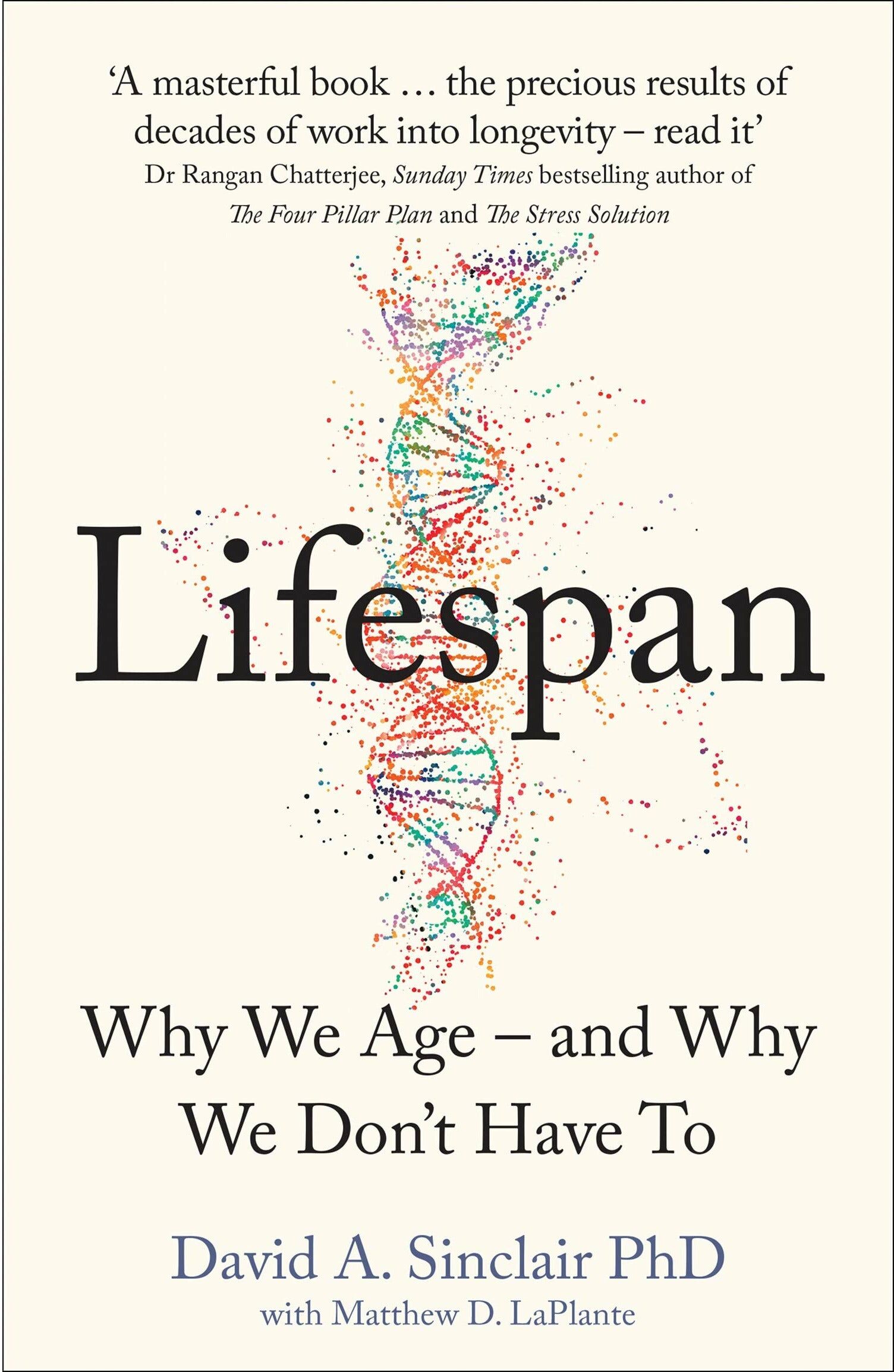
Orion Lifespan, The Telomere Effect & How Not to Die Collection 3 Books SetLifespan, The Telomere Effect & How Not to Die Collection 3 Books Set Title in This Set: Lifespan: Why We Age – and Why We Don’t Have To by Dr David A. Sinclair The Telomere Effect: A Revolutionary Approach to Living Younger, Healthier, Longer by Dr Elizabeth Blackburn, Dr Elissa Epel How Not to Die: Discover the Foods Scientifically Proven to Prevent and Reverse Disease by Michael Greger, Gene Stone15,95 £*Shipping: 2,99 £Secure redirect to the provider
-
What is the difference between school education and professional career development?
School education focuses on providing students with a broad range of knowledge and skills across various subjects, while professional career development is more specialized and focused on preparing individuals for specific careers or industries. School education typically covers a wide range of subjects, including math, science, language arts, and social studies, while professional career development often involves specialized training, certifications, and hands-on experience in a particular field. Additionally, school education is often more theoretical and academic, while professional career development is more practical and geared towards preparing individuals for the workforce. **
-
Does strength training at age 15 stunt growth?
Strength training at age 15, when done properly with appropriate supervision and guidance, does not stunt growth. In fact, strength training can have numerous benefits for teenagers, such as improving bone density, muscle strength, and overall physical fitness. It is important to use proper technique, start with light weights, and gradually increase intensity to prevent injury and ensure healthy growth and development. Consulting with a fitness professional or coach can help create a safe and effective strength training program for teenagers. **
-
How does growth occur with age?
Growth occurs with age through a process called development, which involves physical, cognitive, emotional, and social changes. During childhood and adolescence, growth is primarily physical, with individuals increasing in height and weight. As people mature into adulthood, growth continues in terms of cognitive abilities, emotional intelligence, and social skills. Throughout adulthood, growth can also occur through personal experiences, learning new skills, and adapting to life's challenges. **
-
How does growth progress with age?
Growth progresses with age in a predictable pattern, typically starting with rapid growth during infancy and early childhood. This growth gradually slows down during middle childhood and adolescence, with a significant growth spurt during puberty. By late adolescence, growth usually tapers off and individuals reach their adult height. Throughout adulthood, there may be some additional growth in terms of muscle mass or weight gain, but overall physical growth is minimal. **
* All prices are inclusive of VAT and, if applicable, plus shipping costs. The offer information is based on the details provided by the respective shop and is updated through automated processes. Real-time updates do not occur, so deviations can occur in individual cases. ** Note: Parts of this content were created by AI.