Buy management-school.eu ?
We are moving the project
management-school.eu .
Are you interested in purchasing the domain
management-school.eu ?
domain@kv-gmbh.de · 0541-91531010
Buy management-school.eu ?
What is Dutch vocal polyphony?
Dutch vocal polyphony is a style of music that emerged in the Netherlands during the Renaissance period. It is characterized by the use of multiple independent vocal lines, each with its own melody, rhythm, and text, creating rich harmonies and intricate textures. Dutch composers such as Jan Pieterszoon Sweelinck were known for their contributions to this genre, which was popular in both sacred and secular settings. The use of vocal polyphony allowed for a high level of expressiveness and complexity in the music, making it a significant part of the Dutch musical tradition. **
Can someone explain polyphony to me?
Polyphony is a musical texture that features two or more independent melodic lines played or sung simultaneously. Each line has its own rhythm and contour, and they interact with each other to create a rich and complex sound. Polyphony is often associated with Renaissance and Baroque music, and it requires a high level of skill and coordination from the performers to maintain the independence of the different voices. This texture contrasts with homophony, where all voices move together in harmony, and monophony, where there is only one melodic line. **

Similar search terms for Polyphony
Top-Angebote
Products related to Polyphony:
-
Thorsons Ultralearning: Accelerate Your Career, Master Hard Skills and Outsmart the CompetitionFuture-proof your career and maximize your competitive advantage by learning the skill necessary to stay relevant, reinvent yourself, and adapt to whatever the workplace throws your way in this essential guide. Faced with tumultuous economic times and rapid technological change, staying ahead in your career depends on continual learning―a lifelong mastery of new ideas, subjects, and skills. If you want to accomplish more and stand apart from everyone else, you need to become an ultralearner. Scott Young incorporates the latest research about the most effective learning methods and the stories of other ultralearners like himself―among them Ben Franklin, Judit Polgar, and Richard Feynman, as well as a host of others, such as little-known modern polymaths like Nigel Richards who won the World Championship of French Scrabble―without knowing French. Young documents the methods he and others have used and shows that, far from being an obscure skill limited to aggressive autodidacts, ultralearning is a powerful tool anyone can use to improve their career, studies, and life. Ultralearning explores this fascinating subculture, shares the nine principles behind every successful ultralearning project, and offers insights into how you can organize and execute a plan to learn anything deeply and quickly, without teachers or budget-busting tuition costs. Whether the goal is to be fluent in a language (or ten languages), earn the equivalent of a college degree in a fraction of the time, or master multiple skills to build a product or business from the ground up, the principles in Ultralearning will guide you to success.8,99 £*Shipping: 2,99 £Secure redirect to the provider
-
Perfect Picks Market Geometric Building Blocks Set For Kids Early Education Intelligence Development Toy Geometric Building Blocks Set For Kids Early Education Intelligence Development ToyUnlock your child's potential with this early education equipment designed to stimulate creativity and intelligence! This geometric set is the perfect building block toy for boys, helping to develop problemsolving skills while having fun. The...35,97 $*Shipping: 0,00 $Secure redirect to the provider
-
Scholastic Teaching Resources The Educator's Guide to Understanding Child DevelopmentThe Yale Child Study Center Guide to Understanding Your Child was a landmark essential resource for parents, offering accessible information on child development based on a deep understanding of brain research and psychology. Now that knowledge has...35,99 $*Shipping: 0,00 $Secure redirect to the provider
-
Tiny Tots Teens Trends Montessori Educational Toy, Hedgehog Fine Motor Skills, Toddler Counting, Sensory Development Montessori Educational Toy, Hedgehog Fine Motor Skills, Toddler Counting, Sensory DevelopmentHedgehog Montessori Educational Toy is a delightful and engaging learning tool designed to help toddlers develop essential fine motor skills, improve their concentration, and enhance sensory development. This toy promotes handson learning through...59,97 $*Shipping: 0,00 $Secure redirect to the provider




-
What is the difference between homophony and polyphony?
Homophony is a musical texture in which a single melody is supported by a harmonic accompaniment, creating a clear distinction between the main melody and the supporting harmonies. Polyphony, on the other hand, is a musical texture in which two or more independent melodies are played or sung simultaneously, creating a more complex and layered sound. In homophony, all voices or instruments move together rhythmically, while in polyphony, each voice or instrument has its own rhythm and melodic independence. Overall, homophony emphasizes harmony and a clear main melody, while polyphony emphasizes the interplay of multiple independent melodies. **
-
What does polyphony mean in a digital piano?
Polyphony in a digital piano refers to the number of individual notes or voices that the instrument can produce simultaneously. For example, if a digital piano has a polyphony of 64, it means that it can play up to 64 notes at the same time. This is important for more complex pieces of music that require multiple notes to be played at once, as a higher polyphony allows for a richer and more realistic sound. It is especially important for advanced players and composers who need to create intricate and layered compositions. **
-
What is the difference between polyphony and homophony?
Polyphony is a musical texture where two or more independent melodic lines are played simultaneously. Each line has its own rhythm and melody, creating a complex and layered sound. Homophony, on the other hand, is a musical texture where all voices or instruments move together in harmony, supporting a single melody. In homophony, there is a clear distinction between the melody and the accompanying parts, creating a more unified and harmonious sound. **
-
Can you explain the history of early polyphony?
Early polyphony emerged in Western music during the medieval period, around the 9th century. It involved the simultaneous singing of two or more independent melodic lines. Initially, early polyphony was primarily found in sacred music, particularly in Gregorian chant. Over time, composers began to experiment with adding additional voices and creating more complex harmonies, leading to the development of intricate polyphonic compositions. This marked a significant shift from the monophonic music of the early Middle Ages and laid the foundation for the rich polyphonic textures of the Renaissance period. **

What is the difference between polyphony and canon?
Polyphony refers to a musical texture where two or more independent melodic lines are played simultaneously. Each line has its own rhythm and melody, creating a rich and complex sound. On the other hand, a canon is a specific type of polyphonic composition where a melody is imitated by one or more voices at a fixed time interval. In a canon, the same melody is repeated by different voices, creating a layered and contrapuntal effect. While both polyphony and canon involve multiple independent voices, the key difference lies in the specific imitation of a melody in a canon. **
What is the difference between musical polyphony and counterpoint?
Musical polyphony refers to the simultaneous combination of two or more independent melodic lines, creating a texture where multiple voices are heard at the same time. Counterpoint, on the other hand, is the technique of writing music in which two or more melodic lines are interwoven and interact with each other. In other words, counterpoint is a specific method of creating polyphony, focusing on the relationship and interaction between the different melodic lines. While polyphony is a broader concept that encompasses any music with multiple independent voices, counterpoint specifically refers to the rules and techniques for writing and organizing those voices. **
Top-Angebote
Products related to Polyphony:
-
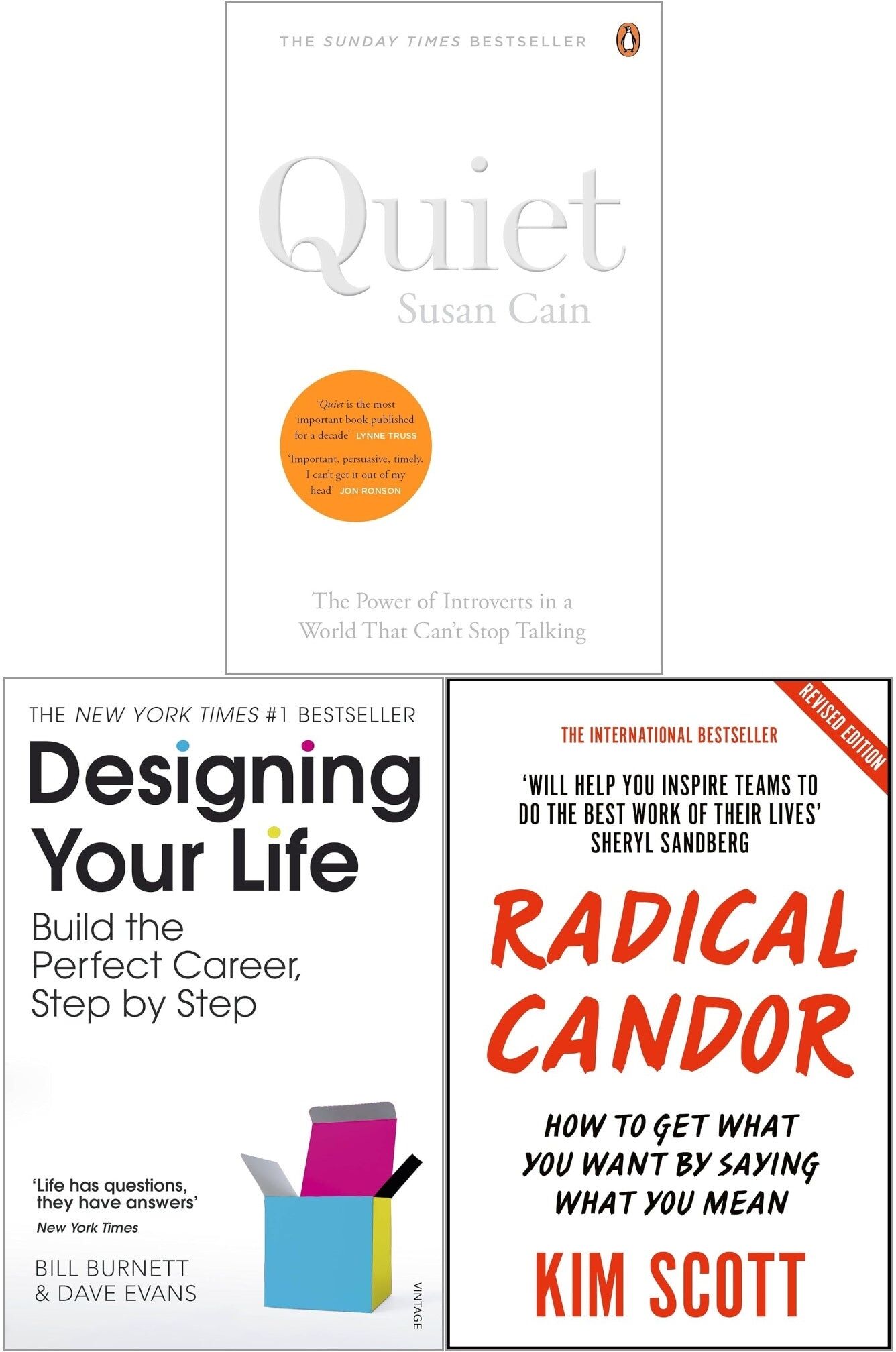
Penguin/Pan Macmillan Designing Your Life, Radical Candor and Quiet 3 Books Collection Set Personal Development, Leadership, Career Success & Self ImprovementDesigning Your Life, Radical Candor and Quiet 3 Books Collection Set Designing Your Life by Bill Burnett & Dave Evans Stanford innovators Bill Burnett and Dave Evans show us how design thinking can help us create a life that is both meaningful and fulfilling, regardless of who and where we are, our careers and our age. Designing Your Life puts forward the idea that the same design thinking responsible for amazing technology, products and spaces can be used to build towards a better life and career by a design of your own making. Radical Candor by Kim Scott Radical Candor by Kim Scott is a groundbreaking leadership and communication guide that teaches how to give feedback effectively, build trust, and create high-performing teams without becoming harsh—or avoiding difficult conversations. Based on Scott’s experience at Google, Apple and Silicon Valley startups, Radical Candor introduces a simple but powerful framework built on two pillars: Care Personally Challenge Directly The book provides practical tools for giving honest feedback, fostering open communication, strengthening working relationships, and becoming a more compassionate and impactful leader. Quiet by Susan Cain Quiet, the Sunday Times and New York Times Bestseller by Susan Cain, will permanently change how we see introverts - and how you see yourself. Our lives are driven by a fact most of us cant name and dont understand: whether were an introvert or an extrovert. This defines who our friends and lovers are, which careers we choose, and whether we blush when were embarrassed. At least a third of us are on the introverted side. Some of the worlds most talented people are introverts. Without them, we wouldnt have the Apple computer, the theory of relativity and Van Goghs sunflowers.16,99 £*Shipping: 2,99 £Secure redirect to the provider
-
Little Brown Book Group No Limits: Blow the Cap Off Your Capacity by John C. Maxwell – Personal Growth & Leadership Development GuideNo Limits: Blow the CAP Off Your Capacity Description We often treat the word capacity as if it were a natural law of limitation. Unfortunately; most of us are much more comfortable defining what we perceive is off limits rather than what's possible. Could it be that many people have allowed what they perceive as capacity to define them? Have they allowed their perception to limit their attitudes about their potential? In his newest book; John Maxwell identifies 17 core capacities. Some of these are abilities we all already possess; such as energy; creativity and leadership. Others are aspects of our lives controlled by our choices; like our attitudes; character; and intentionality. Maxwell examines each of these 17 capacities; and provides clear and actionable advice on how you can increase your potential in each. He will guide you on how to identify; grow; and apply your critical capacities to your daily life. Once you've blown the 'cap' off your capacities; you'll find yourself more successful--and fulfilled--in your daily life.5,99 £*Shipping: 2,99 £Secure redirect to the provider
-
Thorsons Ultralearning: Accelerate Your Career, Master Hard Skills and Outsmart the CompetitionFuture-proof your career and maximize your competitive advantage by learning the skill necessary to stay relevant, reinvent yourself, and adapt to whatever the workplace throws your way in this essential guide. Faced with tumultuous economic times and rapid technological change, staying ahead in your career depends on continual learning―a lifelong mastery of new ideas, subjects, and skills. If you want to accomplish more and stand apart from everyone else, you need to become an ultralearner. Scott Young incorporates the latest research about the most effective learning methods and the stories of other ultralearners like himself―among them Ben Franklin, Judit Polgar, and Richard Feynman, as well as a host of others, such as little-known modern polymaths like Nigel Richards who won the World Championship of French Scrabble―without knowing French. Young documents the methods he and others have used and shows that, far from being an obscure skill limited to aggressive autodidacts, ultralearning is a powerful tool anyone can use to improve their career, studies, and life. Ultralearning explores this fascinating subculture, shares the nine principles behind every successful ultralearning project, and offers insights into how you can organize and execute a plan to learn anything deeply and quickly, without teachers or budget-busting tuition costs. Whether the goal is to be fluent in a language (or ten languages), earn the equivalent of a college degree in a fraction of the time, or master multiple skills to build a product or business from the ground up, the principles in Ultralearning will guide you to success.8,99 £*Shipping: 2,99 £Secure redirect to the provider
-
Perfect Picks Market Geometric Building Blocks Set For Kids Early Education Intelligence Development Toy Geometric Building Blocks Set For Kids Early Education Intelligence Development ToyUnlock your child's potential with this early education equipment designed to stimulate creativity and intelligence! This geometric set is the perfect building block toy for boys, helping to develop problemsolving skills while having fun. The...35,97 $*Shipping: 0,00 $Secure redirect to the provider
-
What is Dutch vocal polyphony?
Dutch vocal polyphony is a style of music that emerged in the Netherlands during the Renaissance period. It is characterized by the use of multiple independent vocal lines, each with its own melody, rhythm, and text, creating rich harmonies and intricate textures. Dutch composers such as Jan Pieterszoon Sweelinck were known for their contributions to this genre, which was popular in both sacred and secular settings. The use of vocal polyphony allowed for a high level of expressiveness and complexity in the music, making it a significant part of the Dutch musical tradition. **
-
Can someone explain polyphony to me?
Polyphony is a musical texture that features two or more independent melodic lines played or sung simultaneously. Each line has its own rhythm and contour, and they interact with each other to create a rich and complex sound. Polyphony is often associated with Renaissance and Baroque music, and it requires a high level of skill and coordination from the performers to maintain the independence of the different voices. This texture contrasts with homophony, where all voices move together in harmony, and monophony, where there is only one melodic line. **
-
What is the difference between homophony and polyphony?
Homophony is a musical texture in which a single melody is supported by a harmonic accompaniment, creating a clear distinction between the main melody and the supporting harmonies. Polyphony, on the other hand, is a musical texture in which two or more independent melodies are played or sung simultaneously, creating a more complex and layered sound. In homophony, all voices or instruments move together rhythmically, while in polyphony, each voice or instrument has its own rhythm and melodic independence. Overall, homophony emphasizes harmony and a clear main melody, while polyphony emphasizes the interplay of multiple independent melodies. **
-
What does polyphony mean in a digital piano?
Polyphony in a digital piano refers to the number of individual notes or voices that the instrument can produce simultaneously. For example, if a digital piano has a polyphony of 64, it means that it can play up to 64 notes at the same time. This is important for more complex pieces of music that require multiple notes to be played at once, as a higher polyphony allows for a richer and more realistic sound. It is especially important for advanced players and composers who need to create intricate and layered compositions. **
Similar search terms for Polyphony
-
Scholastic Teaching Resources The Educator's Guide to Understanding Child DevelopmentThe Yale Child Study Center Guide to Understanding Your Child was a landmark essential resource for parents, offering accessible information on child development based on a deep understanding of brain research and psychology. Now that knowledge has...35,99 $*Shipping: 0,00 $Secure redirect to the provider
-
Tiny Tots Teens Trends Montessori Educational Toy, Hedgehog Fine Motor Skills, Toddler Counting, Sensory Development Montessori Educational Toy, Hedgehog Fine Motor Skills, Toddler Counting, Sensory DevelopmentHedgehog Montessori Educational Toy is a delightful and engaging learning tool designed to help toddlers develop essential fine motor skills, improve their concentration, and enhance sensory development. This toy promotes handson learning through...59,97 $*Shipping: 0,00 $Secure redirect to the provider
-
Playful Picks Montessori Hedgehog Color Sorting Educational Toddler Toy For Fine Motor Skills Development Montessori Hedgehog Color Sorting Educational Toddler Toy For Fine Motor Skills DevelopmentTurn early learning into a joyful daily adventure with a toy designed to spark curiosity and growth. The Montessori hedgehog toy is thoughtfully created for toddlers aged 13, helping them explore colors, counting, and coordination through handson...24,97 $*Shipping: 0,00 $Secure redirect to the provider
-
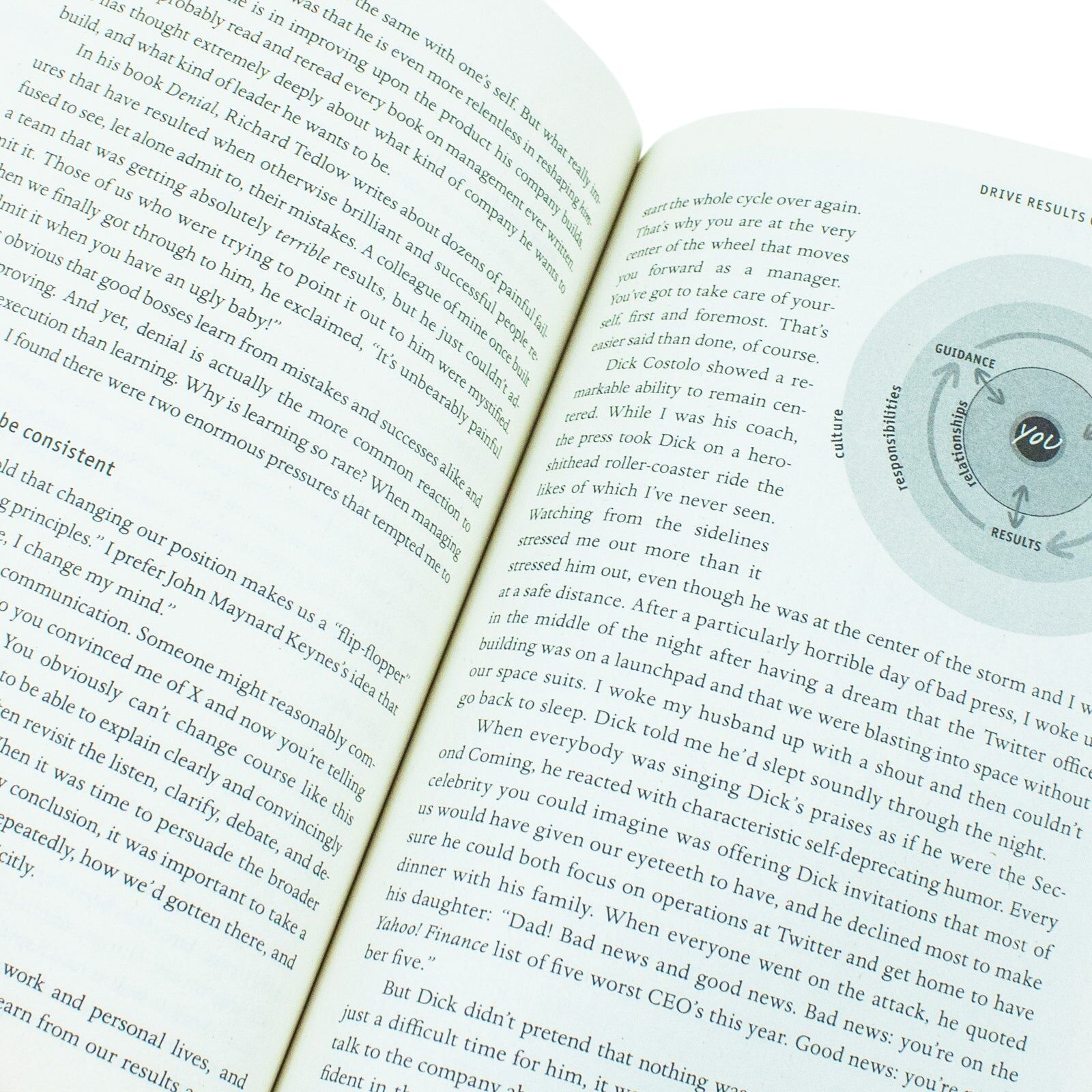
Pan Macmillan Radical Candor by Kim Scott The Bestselling Leadership Book - Management, Feedback & Workplace Culture BookRadical Candor by Kim Scott is a groundbreaking leadership and communication guide that teaches how to give feedback effectively, build trust, and create high-performing teams without becoming harsh—or avoiding difficult conversations. Based on Scott’s experience at Google, Apple and Silicon Valley startups, Radical Candor introduces a simple but powerful framework built on two pillars: Care Personally Challenge Directly The book provides practical tools for giving honest feedback, fostering open communication, strengthening working relationships, and becoming a more compassionate and impactful leader. Perfect for managers, team leaders, HR professionals, and anyone wanting to build a healthy, productive workplace culture. Radical Candor is the perfect handbook for those who are looking to find meaning in their job and create an environment where people love both their work and their colleagues, and are motivated to strive to ever greater success.2,99 £*Shipping: 1,99 £Secure redirect to the provider
-
What is the difference between polyphony and homophony?
Polyphony is a musical texture where two or more independent melodic lines are played simultaneously. Each line has its own rhythm and melody, creating a complex and layered sound. Homophony, on the other hand, is a musical texture where all voices or instruments move together in harmony, supporting a single melody. In homophony, there is a clear distinction between the melody and the accompanying parts, creating a more unified and harmonious sound. **
-
Can you explain the history of early polyphony?
Early polyphony emerged in Western music during the medieval period, around the 9th century. It involved the simultaneous singing of two or more independent melodic lines. Initially, early polyphony was primarily found in sacred music, particularly in Gregorian chant. Over time, composers began to experiment with adding additional voices and creating more complex harmonies, leading to the development of intricate polyphonic compositions. This marked a significant shift from the monophonic music of the early Middle Ages and laid the foundation for the rich polyphonic textures of the Renaissance period. **
-
What is the difference between polyphony and canon?
Polyphony refers to a musical texture where two or more independent melodic lines are played simultaneously. Each line has its own rhythm and melody, creating a rich and complex sound. On the other hand, a canon is a specific type of polyphonic composition where a melody is imitated by one or more voices at a fixed time interval. In a canon, the same melody is repeated by different voices, creating a layered and contrapuntal effect. While both polyphony and canon involve multiple independent voices, the key difference lies in the specific imitation of a melody in a canon. **
-
What is the difference between musical polyphony and counterpoint?
Musical polyphony refers to the simultaneous combination of two or more independent melodic lines, creating a texture where multiple voices are heard at the same time. Counterpoint, on the other hand, is the technique of writing music in which two or more melodic lines are interwoven and interact with each other. In other words, counterpoint is a specific method of creating polyphony, focusing on the relationship and interaction between the different melodic lines. While polyphony is a broader concept that encompasses any music with multiple independent voices, counterpoint specifically refers to the rules and techniques for writing and organizing those voices. **
* All prices are inclusive of VAT and, if applicable, plus shipping costs. The offer information is based on the details provided by the respective shop and is updated through automated processes. Real-time updates do not occur, so deviations can occur in individual cases. ** Note: Parts of this content were created by AI.