Buy management-school.eu ?
We are moving the project
management-school.eu .
Are you interested in purchasing the domain
management-school.eu ?
domain@kv-gmbh.de · 0541-91531010
Buy management-school.eu ?
How can one make organic sausage at home?
To make organic sausage at home, start by selecting high-quality organic meat such as pork or chicken. Grind the meat using a meat grinder and mix in organic seasonings such as salt, pepper, garlic, and herbs. Stuff the seasoned meat mixture into natural casings and twist into sausage links. Cook the sausages by grilling, baking, or pan-frying until they reach a safe internal temperature. Enjoy your homemade organic sausages! **
How is porcelain stoneware cleaned?
Porcelain stoneware can be cleaned using a mild detergent or a mixture of water and vinegar. It is important to avoid abrasive cleaners or harsh chemicals that can damage the surface of the stoneware. A soft cloth or mop can be used to gently clean the surface, followed by rinsing with clean water. For tougher stains, a specialized porcelain stoneware cleaner may be used following the manufacturer's instructions. **


Similar search terms for Storied-Home-Stoneware-Organic
Top-Angebote
Products related to Storied-Home-Stoneware-Organic:
-
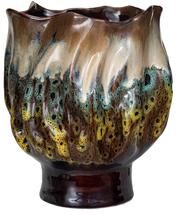
Storied Home Stoneware Organic Shaped Planter Vase with Reactive GlazeThis stoneware organic planter/vase is a versatile and beautiful addition to any home. Made of high-temperature fired ceramic, it features a wide opening and a lively, cheerful appearance.54,49 $*Shipping: 0,00 $Secure redirect to the provider
-
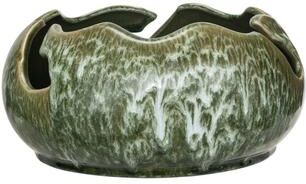
Storied Home "Stoneware Organic Shaped Bowl - 10.0""L x 10.0""W x 4.8""H"This stoneware bowl is a stunning addition to any home. It features an organic shape that mimics the curves of nature, and a reactive glaze that creates a rich and varied color in green.44,49 $*Shipping: 0,00 $Secure redirect to the provider

-
Which foods in your home contain organic acids as preservatives or acidulants?
In my home, I have foods that contain organic acids such as citric acid, acetic acid, and lactic acid as preservatives or acidulants. For example, I have pickles and sauerkraut that contain acetic acid as a preservative. I also have citrus fruits and juices that naturally contain citric acid. Additionally, I have yogurt and sourdough bread that contain lactic acid as a natural preservative. These organic acids help to extend the shelf life of these foods and provide a tangy or sour flavor. **
-
Why is organic chemistry called organic chemistry?
Organic chemistry is called so because it was originally believed that compounds found in living organisms could only be produced by living organisms, and were therefore called "organic" compounds. This belief was later disproven, but the name stuck. Organic chemistry is the study of carbon-containing compounds, which are abundant in living organisms, and it focuses on the structure, properties, and reactions of these compounds. **
-
How do you drill into porcelain stoneware and tiles?
To drill into porcelain stoneware and tiles, you will need a carbide-tipped masonry drill bit specifically designed for hard materials like porcelain. Before drilling, mark the spot with a pencil and place a piece of masking tape over it to prevent the drill bit from slipping. Use a variable speed drill on a low speed setting and apply gentle, consistent pressure while drilling to avoid cracking or chipping the tile. It is also recommended to use a spray bottle with water to keep the drill bit and tile cool during the drilling process. **
-
Should school meals be regional and organic?
School meals being regional and organic can have numerous benefits. By sourcing ingredients locally, schools can support their communities, reduce their carbon footprint, and provide fresher, more nutritious meals to students. Additionally, organic foods are free from harmful pesticides and chemicals, promoting better health and well-being among students. While there may be challenges in terms of cost and availability, the long-term benefits of regional and organic school meals make it a worthwhile investment in the health and future of students. **


What is the difference between organic and non-organic?
Organic products are grown and produced without the use of synthetic pesticides, fertilizers, or genetically modified organisms. They also do not contain artificial preservatives or additives. Non-organic products, on the other hand, may contain synthetic chemicals and pesticides, and are often produced using genetically modified organisms. Organic farming practices also focus on sustainability and environmental conservation, while non-organic farming may have a greater impact on the environment. **
Is organic meat still unhealthy, even if it's organic?
Organic meat is generally considered to be healthier than conventionally raised meat because it is produced without the use of synthetic pesticides, hormones, or antibiotics. However, it is still important to consume organic meat in moderation and as part of a balanced diet. Organic meat can still be high in saturated fat and cholesterol, so it is important to consider portion sizes and overall dietary choices. Additionally, the way the meat is prepared and cooked can also impact its healthfulness. **
Top-Angebote
Products related to Storied-Home-Stoneware-Organic:
-
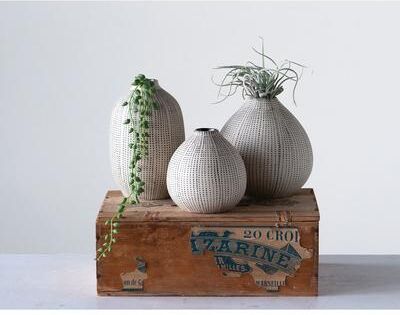
Storied Home Stoneware Organic Shaped Vase, Speckled Reactive Glaze"Display this stylishly versatile vase as a sophisticated mantel accent or part of an inviting dining table centerpiece; Made from 100% stoneware; Vase measures 6"" L x 4"" W x 10"" H"24,29 $*Shipping: 0,00 $Secure redirect to the provider
-
Storied Home Stoneware Organic Shaped Vase with Reactive GlazeThis stoneware vase with a wavy pattern is a stunning piece of decor that will enhance the look and feel of the home. The vase has a color scheme that is soothing and refreshing, creating a contrast with the wavy pattern.37,49 $*Shipping: 0,00 $Secure redirect to the provider
-
Storied Home Stoneware Organic Shaped Planter Vase with Reactive GlazeThis stoneware organic planter/vase is a versatile and beautiful addition to any home. Made of high-temperature fired ceramic, it features a wide opening and a lively, cheerful appearance.54,49 $*Shipping: 0,00 $Secure redirect to the provider
-
How can one make organic sausage at home?
To make organic sausage at home, start by selecting high-quality organic meat such as pork or chicken. Grind the meat using a meat grinder and mix in organic seasonings such as salt, pepper, garlic, and herbs. Stuff the seasoned meat mixture into natural casings and twist into sausage links. Cook the sausages by grilling, baking, or pan-frying until they reach a safe internal temperature. Enjoy your homemade organic sausages! **
-
How is porcelain stoneware cleaned?
Porcelain stoneware can be cleaned using a mild detergent or a mixture of water and vinegar. It is important to avoid abrasive cleaners or harsh chemicals that can damage the surface of the stoneware. A soft cloth or mop can be used to gently clean the surface, followed by rinsing with clean water. For tougher stains, a specialized porcelain stoneware cleaner may be used following the manufacturer's instructions. **
-
Which foods in your home contain organic acids as preservatives or acidulants?
In my home, I have foods that contain organic acids such as citric acid, acetic acid, and lactic acid as preservatives or acidulants. For example, I have pickles and sauerkraut that contain acetic acid as a preservative. I also have citrus fruits and juices that naturally contain citric acid. Additionally, I have yogurt and sourdough bread that contain lactic acid as a natural preservative. These organic acids help to extend the shelf life of these foods and provide a tangy or sour flavor. **
-
Why is organic chemistry called organic chemistry?
Organic chemistry is called so because it was originally believed that compounds found in living organisms could only be produced by living organisms, and were therefore called "organic" compounds. This belief was later disproven, but the name stuck. Organic chemistry is the study of carbon-containing compounds, which are abundant in living organisms, and it focuses on the structure, properties, and reactions of these compounds. **
Similar search terms for Storied-Home-Stoneware-Organic
-
Storied Home "Stoneware Organic Shaped Bowl - 10.0""L x 10.0""W x 4.8""H"This stoneware bowl is a stunning addition to any home. It features an organic shape that mimics the curves of nature, and a reactive glaze that creates a rich and varied color in green.44,49 $*Shipping: 0,00 $Secure redirect to the provider
-
How do you drill into porcelain stoneware and tiles?
To drill into porcelain stoneware and tiles, you will need a carbide-tipped masonry drill bit specifically designed for hard materials like porcelain. Before drilling, mark the spot with a pencil and place a piece of masking tape over it to prevent the drill bit from slipping. Use a variable speed drill on a low speed setting and apply gentle, consistent pressure while drilling to avoid cracking or chipping the tile. It is also recommended to use a spray bottle with water to keep the drill bit and tile cool during the drilling process. **
-
Should school meals be regional and organic?
School meals being regional and organic can have numerous benefits. By sourcing ingredients locally, schools can support their communities, reduce their carbon footprint, and provide fresher, more nutritious meals to students. Additionally, organic foods are free from harmful pesticides and chemicals, promoting better health and well-being among students. While there may be challenges in terms of cost and availability, the long-term benefits of regional and organic school meals make it a worthwhile investment in the health and future of students. **
-
What is the difference between organic and non-organic?
Organic products are grown and produced without the use of synthetic pesticides, fertilizers, or genetically modified organisms. They also do not contain artificial preservatives or additives. Non-organic products, on the other hand, may contain synthetic chemicals and pesticides, and are often produced using genetically modified organisms. Organic farming practices also focus on sustainability and environmental conservation, while non-organic farming may have a greater impact on the environment. **
-
Is organic meat still unhealthy, even if it's organic?
Organic meat is generally considered to be healthier than conventionally raised meat because it is produced without the use of synthetic pesticides, hormones, or antibiotics. However, it is still important to consume organic meat in moderation and as part of a balanced diet. Organic meat can still be high in saturated fat and cholesterol, so it is important to consider portion sizes and overall dietary choices. Additionally, the way the meat is prepared and cooked can also impact its healthfulness. **
* All prices are inclusive of VAT and, if applicable, plus shipping costs. The offer information is based on the details provided by the respective shop and is updated through automated processes. Real-time updates do not occur, so deviations can occur in individual cases. ** Note: Parts of this content were created by AI.